How Velociraptor lived
A small, quick predator of small animals, which didn’t turn down a free meal.
What it ate
It was a meat eater, with lots of sharp, pointed teeth. Natural History Museum: Velociraptor (Dino Directory) It probably ate mostly small mammals and reptiles that were easy to overpower and kill. Natural History Museum: Vicious Velociraptor: tales of a turkey-sized dinosaur
Its narrow jaws and light build suggest it fed on quite small prey. Natural History Museum: Vicious Velociraptor: tales of a turkey-sized dinosaur It may sometimes have hunted baby dinosaurs: young Protoceratops, baby Oviraptor and the thick-headed Prenocephale. Natural History Museum: Vicious Velociraptor: tales of a turkey-sized dinosaur
Its teeth were replaced throughout its life, like a lizard’s or crocodile’s, and curved backwards to stop prey escaping. Natural History Museum: Vicious Velociraptor: tales of a turkey-sized dinosaur Despite the famous fossil, it seems very unlikely that Velociraptor regularly hunted grown-up Protoceratops. Natural History Museum: Vicious Velociraptor: tales of a turkey-sized dinosaur
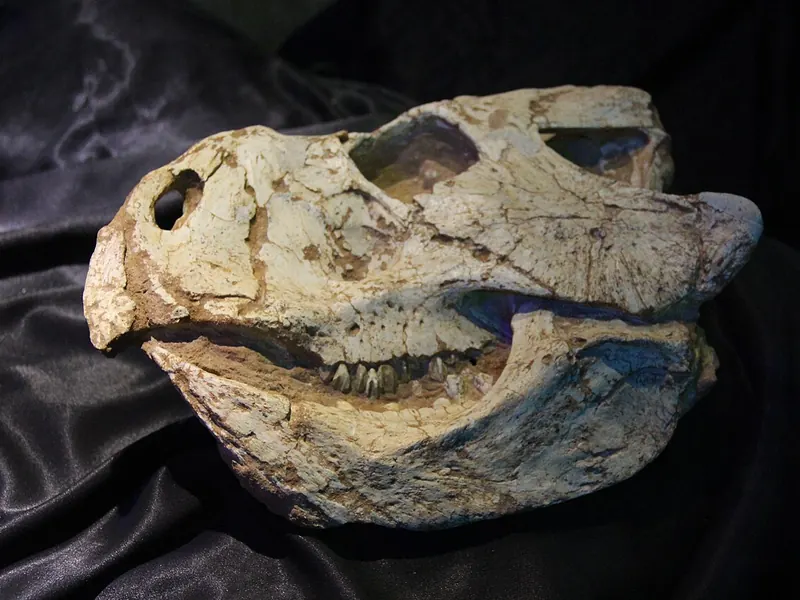
Hunter and scavenger
Most of its body points to a good hunter: a lithe build, clawed hands and feet, and jaws made for quick, snapping bites. Natural History Museum: Vicious Velociraptor: tales of a turkey-sized dinosaur “Pretty much all predators scavenge sometimes, and vice versa.” Natural History Museum: Vicious Velociraptor: tales of a turkey-sized dinosaur
One Velociraptor fossil has a broken pterosaur bone inside its body, part of its last meal. Natural History Museum: Vicious Velociraptor: tales of a turkey-sized dinosaur That pterosaur probably had a wingspan of around 3 m, bigger than the Velociraptor that ate it. Natural History Museum: Vicious Velociraptor: tales of a turkey-sized dinosaur
Scientists think it was more likely scavenged. Eating a large bone suggests there wasn’t much meat left on the carcass. Natural History Museum: Vicious Velociraptor: tales of a turkey-sized dinosaur
In 2010, scientists reported Protoceratops bones scored by the teeth of a small predatory dinosaur, after the carcass had been almost stripped. Velociraptor is a good candidate for the scavenger. Smithsonian Magazine: A dinosaur’s pterosaur lunch In 1995, scientists reported a pterosaur skeleton bitten by Saurornitholestes, a North American cousin of Velociraptor. A tooth was still stuck in it. Smithsonian Magazine: A dinosaur’s pterosaur lunch
On the run
Button expects it could run at over 40 km/h, at least in short bursts. That’s faster than the fastest human. Natural History Museum: Vicious Velociraptor: tales of a turkey-sized dinosaur · checked 28 Oct 2026 Quick, but not the fastest dinosaur. That title goes to the ostrich-like ornithomimosaurs. Natural History Museum: Vicious Velociraptor: tales of a turkey-sized dinosaur
It had big, muscular legs with long shins, and a long, stiff tail that helped it steer at speed. Natural History Museum: Vicious Velociraptor: tales of a turkey-sized dinosaur Osborn described it in 1924 as “swift and raptorial in habit”. Osborn (1924), Three new Theropoda, Protoceratops zone, central Mongolia, American Museum Novitates 144
How clever?
Its brain was large for its body compared with most reptiles. Button: smart “like an average bird – a hawk or something like that”, not like a chimp, a parrot or a crow. Natural History Museum: Vicious Velociraptor: tales of a turkey-sized dinosaur · checked 28 Oct 2026 There’s an urban myth that Velociraptor scores higher than humans on brain-to-body size. It clearly doesn’t. Natural History Museum: Vicious Velociraptor: tales of a turkey-sized dinosaur
Packs?
Despite the films, there’s very little evidence that raptors hunted as cooperative packs. Natural History Museum: Vicious Velociraptor: tales of a turkey-sized dinosaur · checked 28 Oct 2026 The pack idea came from several Deinonychus found around one much larger Tenontosaurus. They might have been scavenging, or simply washed together and buried. Natural History Museum: Vicious Velociraptor: tales of a turkey-sized dinosaur
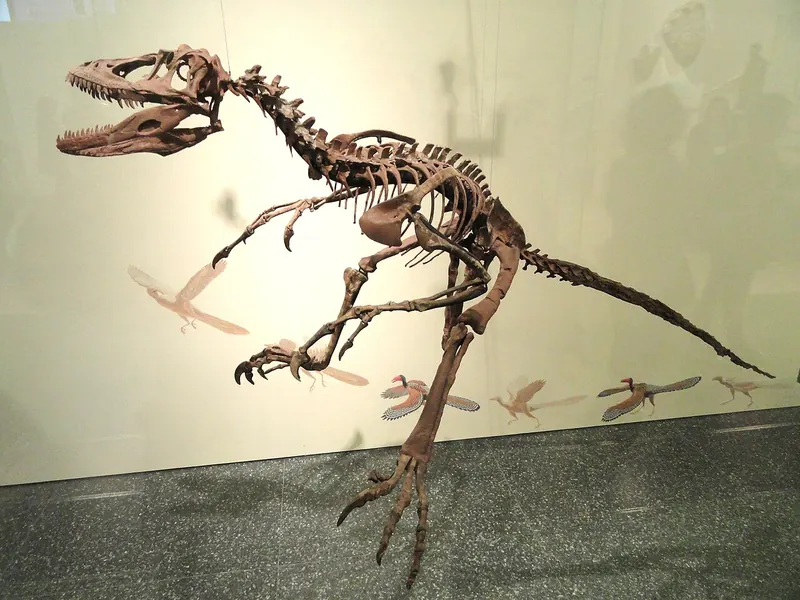
Several Utahraptor were found with a plant eater called Hippodraco, probably after getting stuck in quicksand. Natural History Museum: Vicious Velociraptor: tales of a turkey-sized dinosaur Some trackways show several Velociraptor-sized dinosaurs walking the same way, which could mean flocking or following. Natural History Museum: Vicious Velociraptor: tales of a turkey-sized dinosaur
Komodo dragons and many birds of prey hunt by “mobbing”: one attacks, and others join in. Natural History Museum: Vicious Velociraptor: tales of a turkey-sized dinosaur There isn’t currently any evidence of Velociraptor hunting together in any way, though that doesn’t mean it never did. Natural History Museum: Vicious Velociraptor: tales of a turkey-sized dinosaur · checked 28 Oct 2026
Out at night?
Because of the large bony ring in its eye, some scientists have suggested Velociraptor was nocturnal. Natural History Museum: Vicious Velociraptor: tales of a turkey-sized dinosaur Like living birds and reptiles, it had a ring of bone in each eye socket. American Museum of Natural History: Get to Know a Dino: Velociraptor, 2016
Big eyes once suggested night hunting for Microraptor too, but its glossy feathers make that less likely: no living bird with a shiny coat hunts at night. Natural History Museum: Microraptor (Dino Directory)
Next: the Fighting Dinosaurs →